
The right preparation is crucial for paint performance on both interior paint jobs and exterior surfaces. Even top-quality paint may chip or peel when applied to an incorrectly prepared material. With the right tools and surface preparation for painting, your paint will adhere better, creating durable, professional results that will last for years.
In this pro-level guide, we outline paint preparation stages, including the best tools for each step. We also explain how preparation can vary by material and what you can do to ensure a beautiful, lasting paint finish.
Proper paint prep helps your paint adhere better, for a thicker, more durable coat that looks professional throughout the paint’s service life:
While surface preparation processes may seem straightforward, even small mistakes can cause paint peeling and other issues in the long run, such as:
You can prevent most of these errors by completing surface preparation steps thoroughly in the proper order before you begin painting.
Whether you are refreshing a home interior or revamping a building exterior, follow these surface prep steps to ensure complete, correct paint application.
Start by cleaning the surface with soap and warm water. Gently remove dirt and other debris by scrubbing the surface in a circular motion. For more stubborn areas, use an abrasive sponge or grease-cutting detergent. Rinse the area with warm water and a rag to remove residue, then allow the surface to dry completely.
Choose the right type of spackle or joint compound for the surface you are prepping. Apply the compound in thin layers using putty knives and scrapers. Let each layer dry before applying the next. As you add spackle, feather the edges around the repair to create a smooth transition.
Consider a dust-free hand sander or pole sander for large areas and hard-to-reach spaces. For smaller paint jobs, a hand sander or dust-free sponge sander may work better.
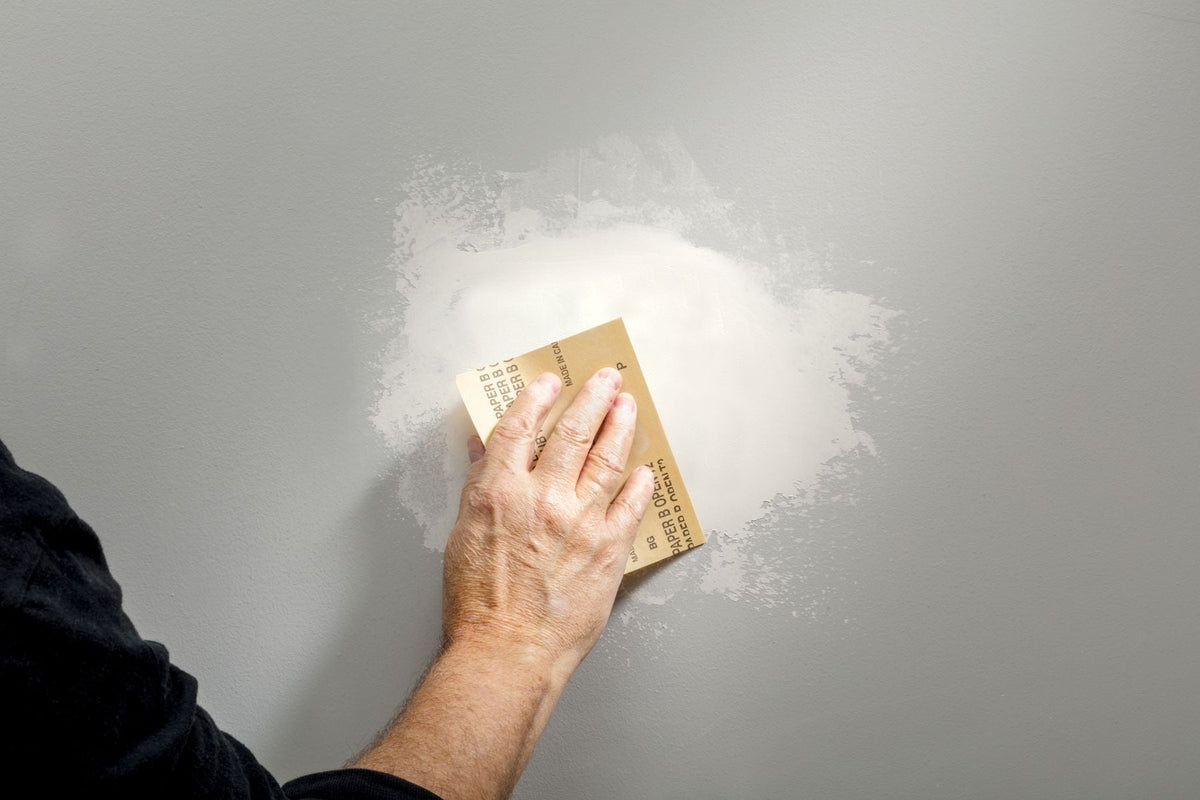
Start with medium-grit sandpaper and graduate to finer grit for finishing. If you’re going to cover existing paint, especially a high-gloss finish, focus on diminishing bumps and creating a matte surface for the primer and paint to grip. Smooth the sandpaper along the surface with consistent pressure and even motions.
Primer seals the joint compound and creates a smooth surface for the final paint application. Use an angled 2” or 3” paintbrush to “cut in” the corners, trim, and ceiling edges with a line of primer. Apply primer in a “W” or “V” pattern to the surface using paint rollers.
Start at the top and work your way down in 3'x3' sections, overlapping the primer to ensure even application. Depending on the material, you may need to sand the surface and apply a second layer of primer after the first dries completely. See our wall priming video guide for more detailed step-by-step instructions.
Remove or cover items in the area where you intend to paint, and clean the floors to remove dirt and dust. Determine whether to paint trim or walls first — professionals recommend painting the trim first, unless you are replacing it altogether.
To keep paint from bleeding onto the trim and floors, apply painter’s tape along the baseboard or trim, and press it firmly in place to create a straight line. Lay your drop cloths on the floor and secure them with another layer of tape over the first. The goal is to create a clean, professional line along corners and trim that won't leave any drips or smears.
Paint quality depends on appropriate preparation, but not every surface requires the same treatment. For example, concrete surface preparation for painting requires a different approach than wood preparation for painting. Use the following checklists to meet the unique preparation steps for the most common painting substrates.
Priming is essential in drywall painting. Without primer, drywall soaks up paint unevenly, creating a blotchy finish. Use the best drywall finishing tools to prep your drywall:
You can save time on clean, already-painted surfaces in good condition by priming walls with all-in-one paint. These products include both primer and paint, streamlining the painting process. However, all-in-one paint is not ideal for bare drywall or wood surfaces, due to their high porosity and uneven absorption.
Wood is more porous and uneven than other substrates, which means it requires sanding and primer application. Look for fillers and primers specifically formulated to work on wood substrate, and follow these steps:
Metal has a smooth, non-porous surface that can become rusty. Even non-rusting materials like aluminum require special surface preparation for painting. Account for the unique features of each type of metal when performing the following steps:
Regardless of the substrate, treating already-painted surfaces is more complicated. The appropriate prep method depends on the finish and condition of the original coat. Follow these steps to prep previously painted substrates:
Applying primer is especially important when painting light colors over dark existing paint, as it prevents the old paint and patches from showing through the new paint.
No matter what type of substrate you plan to paint, quality surface preparation tools are critical for a flawless, durable finish. Using professional-grade tools for cleaning, patching, sanding, and priming your paint job ensures a uniform surface with better adhesion and a longer paint lifespan.
Visit Hyde Tools today to choose from an extensive selection of pro-grade painting tools, from sanding sponges to brushes and utility knives.
Ashley Hanamann
Ashley Hanamann is a professional legal and technical writer with extensive experience working with lawyers, engineers, and other technical industry professionals. She enjoys researching complex topics to create accessible articles that engage and inform. In her free time, Ashley spends her time hiking the Maine woods and reading sci-fi novels.
